







Marketing Agency for
Fashion Ecommerce Brands

We work with fashion and apparel ecommerce brands that need to professionalise their digital marketing in a sector where CAC climbs every quarter, seasonality drives revenue and returns can erode POAS when they are not accounted for.

We bring paid media, email marketing and CRO together under one sector-specific read of the business. We build acquisition and retention systems designed for brands with visually demanding catalogues and defined seasonal cycles.

Why fashion ecommerce marketing needs a sector-specific approach

Rising CAC and audience saturation

Meta has been saturating fashion audiences for years, particularly in womenswear and accessories. Without a deliberate strategy to diversify into TikTok, Pinterest and a properly fed Performance Max, CAC grows quarter after quarter and the scaling ceiling arrives earlier than it should.

Returns that distort POAS

A fashion brand with a 25 to 35% return rate has a real POAS very different from the one the platform reports. Unless return rate by collection, by size and by channel is built into the calculation, investment decisions are being made on misleading data.

Sharp seasonality and stock management

Sales periods, season changes, launches and outlet pushes create peaks and troughs that call for specific investment rhythms. Holding budget flat through the year is inefficient in fashion. Spend has to be synchronised with the commercial calendar and with available stock at SKU level.

Visual product and the weight of retargeting

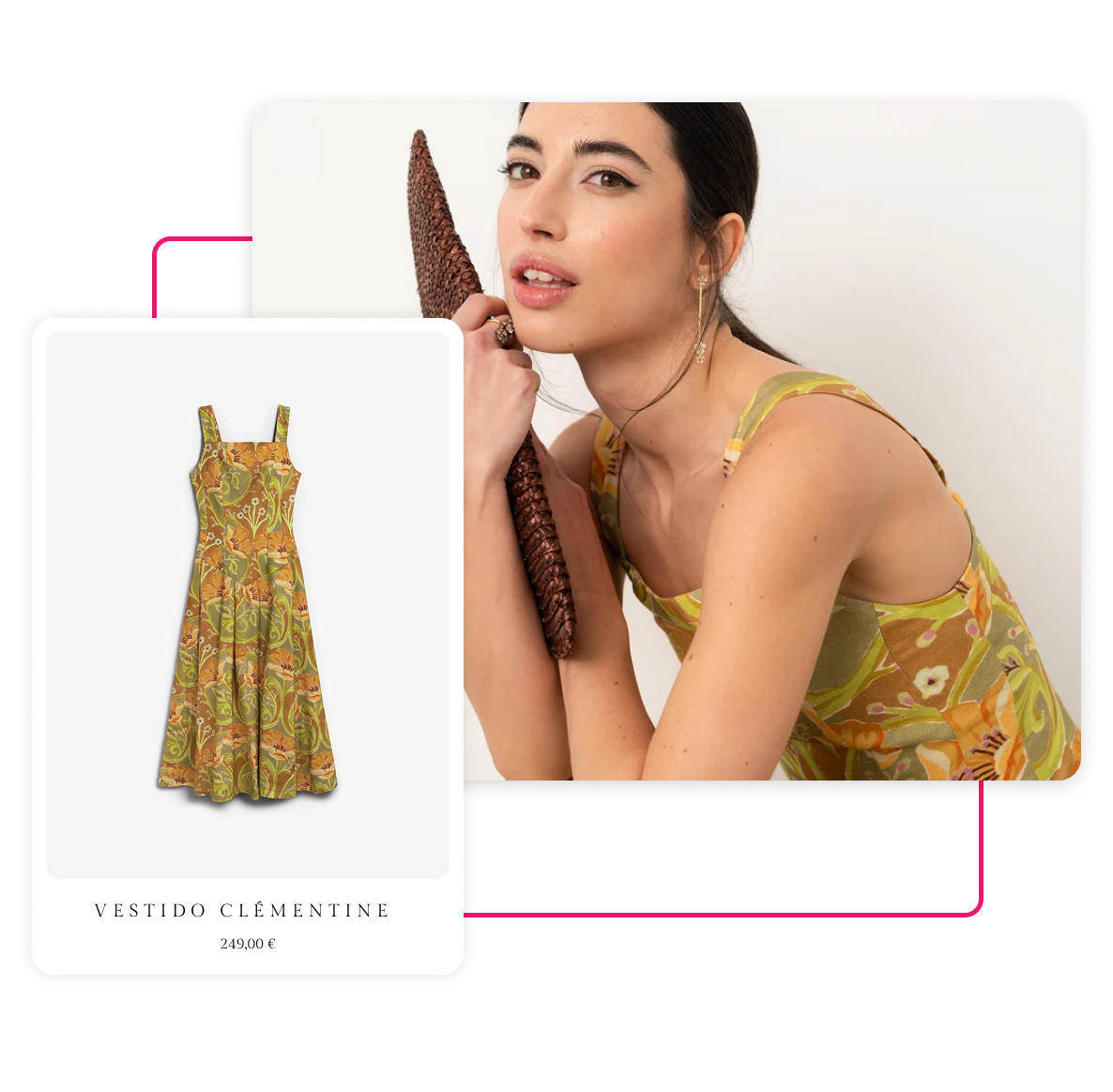
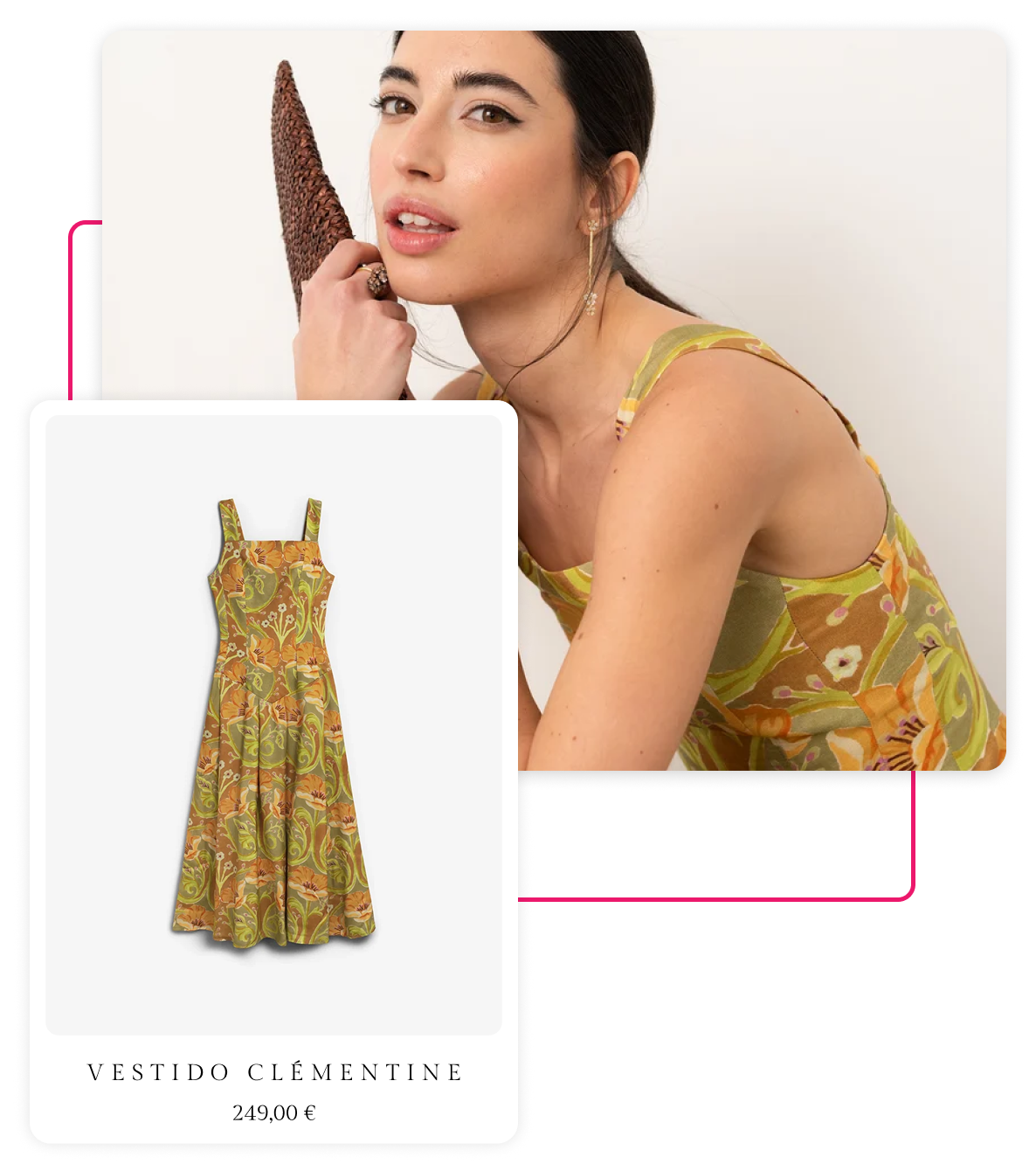
In fashion, the product sells through the image. The catalogue feed, dynamic retargeting (DPA) and the visual quality of the creative asset are decisive. A brand with a poorly structured feed leaves somewhere between 20 and 40% of recoverable revenue on the table through retargeting alone.

Fashion brands scaling with STRAT

We work with fashion and apparel brands at different points in their life cycle, from growing labels to established accounts looking to professionalise their acquisition and retention structure. These are some of the names we currently work with.

Our services applied to fashion ecommerce

We apply the four pillars of growth to the specific dynamics of fashion: seasonality, returns, catalogue rotation and the weight of the brand itself. Each service is adapted to how a fashion customer buys and buys again. This is how we approach each front.

Paid media for fashion brands

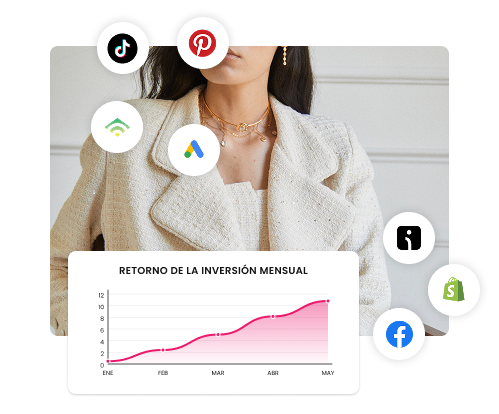
We run acquisition with Meta Ads as the main engine, TikTok Ads for discovery among younger audiences, Google Ads and Performance Max to capture existing demand, and Pinterest Ads for bridal, occasion wear and accessories. Each channel works its own stage of the funnel, with dedicated creative and feeds optimised for Shopping and dynamic retargeting.
Read more β†’

Email marketing and automation for fashion brands

We build retention systems in Klaviyo and Omnisend designed for fashion: welcome flows segmented by style and price bracket, abandonment flows adapted to longer decision cycles, and post-purchase flows built around seasonal repeat purchase. Email in fashion is not a promotional channel. It is what keeps the relationship alive between seasons and lifts the LTV of brands that see the same customer two or three times a year.
Read more β†’

CRO and Shopify development for fashion brands

We optimise conversion on Shopify fashion stores at the points that matter in this sector: product detail pages with clear sizing, materials and composition, variant and out-of-stock handling, images optimised for visual product, a simplified checkout, and shipping and returns policies surfaced at the right moments in the journey.
Read more β†’

International scaling for fashion brands

We support brands expanding into Europe or global markets on the fronts that determine real profitability: multi-country campaigns on Meta, Google and TikTok, localisation of creative and copy, feed adaptation by currency and stock, size handling by country, and the technical architecture of Shopify Markets. Every new market is validated with test budgets before committing spend at scale.
Read more β†’

Average results across fashion ecommerce clients (first 12 months)

130%

Revenue growth

85%

POAS improvement

-23%

CAC reduction

2,4x

Repeat orders

Why STRAT for your fashion brand?

We are not a generalist agency that also works with fashion brands. We work exclusively with ecommerce, and within ecommerce, fashion is one of the verticals where we have built the most operational depth. We know the real benchmarks: the target POAS in premium womenswear is not the same as in urban menswear, and the Meta Ads structure that scales a swimwear brand does not work for accessories.

We apply that specialisation with a team officially certified by Meta, Google, Shopify, Klaviyo and Omnisend. Every decision on your account is made against tested sector criteria and reported against your P&L, not against isolated platform metrics.

Looking for marketing support for your fashion brand?

Frequently Asked Questions

Three main factors.

First, the weight of visual product demands a level of creative asset quality and feed optimisation well above what other verticals require.

Second, the structural return rate distorts profitability metrics and forces you to calculate adjusted POAS rather than gross ROAS.

Third, sharp seasonality requires ad spend, the commercial calendar and available stock to stay in sync, which matters far less in verticals with steadier demand.

Those three factors shape the day-to-day operation, and they are what justify a sector-specific approach over a generalist one.

We work with fashion brands at different points in their life cycle, from brands building their first acquisition and retention programme to established accounts looking for deeper analytical sophistication and channel diversification.

Fit depends less on size than on the match between the stage of the business and the operational depth we bring. Each case needs a different architecture, and our job is to define which one is right given the catalogue, the AOV and the repeat purchase potential.

The right mix depends on the target customer, the price bracket and how mature the brand is.

As a general rule, Meta Ads remains the main acquisition channel for most DTC fashion brands, complemented by TikTok Ads for discovery among younger audiences, Google Ads and Performance Max to capture existing and branded demand, and Pinterest Ads as a complementary channel that is particularly strong in occasion wear, bridal and accessories.

Switching on every channel without a plan is a common cause of diluted budget. The right activation is decided after looking at the catalogue, the margins and how the customer actually buys.

Seasonality calls for a specific architecture. We build automated flows that stay live all year (welcome, abandonment, post-purchase, winback) and combine them with weekly campaigns coordinated with the commercial calendar: drops, collection launches, sale periods and outlet pushes.

The aim is for the customer to receive relevant communication between seasons, not only when there is new product. A fashion brand with a well-run email programme can hold 35 to 45% of revenue attributed to the retention channel across the whole year, including the quieter months.

Significantly. A fashion brand with a 30% return rate reporting 4 ROAS on platform is in reality closer to an effective 2.8 once returns are deducted. Factor in reverse logistics and the cost of putting stock back into circulation, and real POAS can fall another 10 to 15%.

At STRAT we build return rate by channel, by collection and by size into the profitability calculation, so investment decisions are made on real margin rather than gross revenue.