






Because it concentrates some of the highest purchasing power in the world, with a consumer who values quality, exclusivity and European product, especially in fashion, beauty, luxury and design. The United Arab Emirates and Saudi Arabia lead an ecommerce in full growth, with a young, hyper-connected population and governments investing heavily in digitalisation. For a premium brand with identity, it offers margins and a demand for exclusivity hard to find in other markets.
Expand Your Ecommerce
to the Gulf
The Gulf region (with the United Arab Emirates and Saudi Arabia at the front) is one of the most attractive expansion markets in the world for a premium brand: very high purchasing power, an appetite for European and luxury product, a young, hyper-connected population and governments pushing digitalisation hard. But it is also a market with a very distinct culture, its own particularities in payments, logistics and communication, and specific sensibilities that have to be respected.
At STRAT we help ecommerce brands approach their expansion to the Gulf, integrating paid media, email marketing and Shopify under a strategy adapted to the region’s demands.






Why it is worth selling in the Gulf
The Gulf countries concentrate some of the highest purchasing power on the planet, with a consumer who values quality, exclusivity and European product, especially in fashion, beauty, luxury and design. The United Arab Emirates (Dubai and Abu Dhabi) and Saudi Arabia lead an ecommerce that grows at a fast pace, driven by a young, urban, hyper-connected population with high smartphone penetration and by governments investing heavily in digitalisation and infrastructure. For a premium brand with identity, the Gulf offers margins and a demand for exclusivity hard to find in other markets.
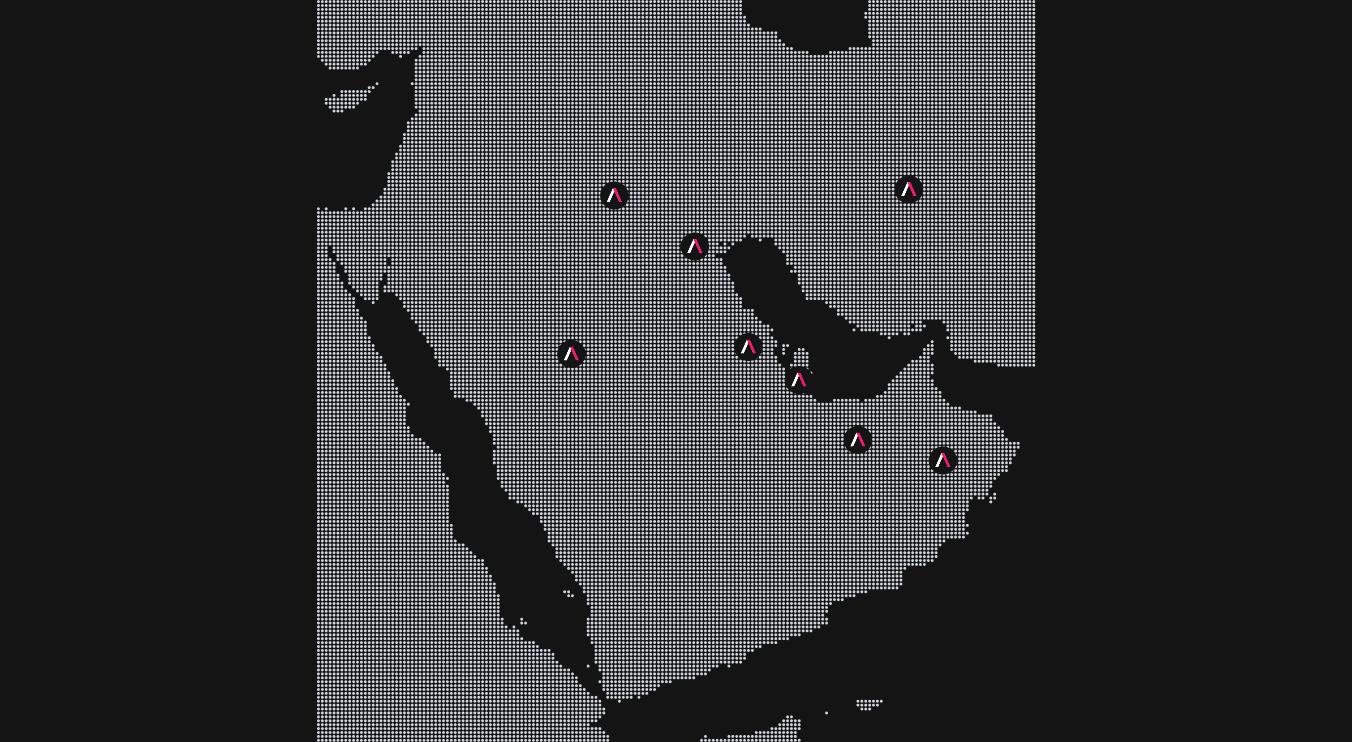
What you need to know to sell in the United Arab Emirates and Saudi Arabia
The Gulf is a high-potential market, but it is culturally and operationally very different from the European or American one. Succeeding requires understanding and respecting its particularities. These are the factors to master before and during the expansion.

Culture, communication and sensibilities
It is the most important factor. The Gulf has a culture with its own values, religion and sensibilities that must be respected in all communication. The imagery, the messages, the colours and the campaign calendar have to adapt to local norms and values. Ramadan, for example, is a period of maximum commercial activity, with its own consumption patterns. Understanding the culture is not optional, it is the condition for connecting with the market and not making costly mistakes.

Language: Arabic and English
The Gulf is a bilingual market. Arabic is the official language and the one that connects culturally, while English is very widespread in business and among a large part of the population, especially the expatriate one (very numerous in the UAE). The most solid strategy contemplates both languages, with attention to the fact that Arabic is written right to left (RTL), which has technical implications for the store's design.

Payment methods
Although the card is widely used, cash on delivery (COD) still has a notable weight in the region, above all in certain segments, and its integration must be considered. Local and regional digital payment solutions are also gaining ground fast. Adapting the payment methods to local preferences is important for conversion and trust.

Logistics and customs
The region has excellent logistics infrastructure (Dubai is a world logistics hub), but international shipping, customs and the specific requirements of each country need proper planning. Delivery-time expectations are high, especially in the urban Emirates. Defining the logistics and customs model well is decisive for offering a competitive experience.

Regulatory framework and requirements
Each country has its own regulations on ecommerce, imports, product registration (especially in categories like cosmetics or food) and taxation. The UAE and Saudi Arabia have introduced VAT in recent years. Knowing and complying with each market's requirements is necessary to operate without setbacks.

Digital channels and consumer habits
The Gulf consumer is hyper-connected and very active on social media (Instagram, TikTok, Snapchat) and uses influencers as a key purchase reference. It is an aspirational market, sensitive to brand, exclusivity and status. Paid media and content strategy must adapt to that reality, with special weight on the visual and on collaborations with local voices.
Why expand to to the Gulf with STRAT?
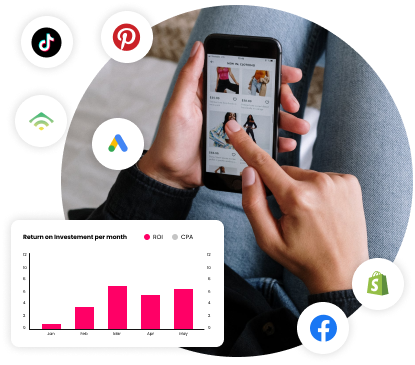
We are not a generalist agency that also dabbles in internationalisation. We work exclusively with ecommerce and support premium brands in their approach to the Gulf, aware that it is a market where respect for the local culture and adaptation are not negotiable, and where the premium positioning of European and international product has enormous potential.
We apply our experience with a team officially certified by Meta, Google, Shopify, Klaviyo and Omnisend, integrating acquisition, retention and technology into a single strategy adapted to the region. We always work with business judgement, measuring in POAS and adapting each decision to a market with high margins but its own demands.
How we help your brand sell
in the Gulf
We apply to your expansion to the Gulf the three pillars that define an ecommerce's growth, adapted to the region's particularities and sensibilities. We do not manage isolated channels, we build a complete system of acquisition, retention and conversion respectful of the local culture.
Paid Media for the Gulf market
We design and manage campaigns on Meta Ads (Facebook and Instagram), Google Ads, TikTok Ads and other locally relevant channels: creatives and messages adapted to the local culture and sensibilities, adaptation to the region's calendar (with Ramadan as a key commercial moment) and a focus on premium, aspirational positioning. We take into account the weight of influencers and visual content in the region's purchase decision.
Read more →
Email Marketing and Retention
We build the retention channel with Klaviyo and Omnisend adapted to the Gulf market: bilingual flows (Arabic and English) with support for right-to-left reading, adaptation to local seasonality and repeat-purchase strategies suited to a premium consumer. Well-worked retention is what maximises the value of a customer with high purchasing power.
Read more →
Shopify Development and CRO
We get your Shopify store ready to sell in the Gulf with Shopify Markets: bilingual configuration with right-to-left (RTL) support for Arabic, local currency management, integration of the payment methods the region expects (including cash on delivery where relevant), adaptation of the experience to local culture and expectations, and conversion optimisation. A store that respects the region's language, culture and preferences conveys the trust a premium consumer demands.
Read more →Our latest case studies
Do you want to expand your ecommerce to the Gulf?
Frequently Asked Questions
It is highly advisable to contemplate both languages. Arabic is the official language and the one that connects culturally, while English is very widespread in business and among a large part of the population, especially the expatriate one, very numerous in the UAE. The most solid strategy is bilingual, taking into account that Arabic is written right to left (RTL), which has technical implications for the store’s design that must be resolved properly.
It is the most important factor of all. The Gulf has a culture with its own values, religion and sensibilities that must be respected in all communication: imagery, messages, colours and campaign calendar have to adapt to local norms. On top of that, periods like Ramadan are moments of maximum commercial activity with their own consumption patterns. Understanding and respecting the culture is the condition for connecting with the market and avoiding costly mistakes.
Although the card is widely used, cash on delivery (COD) still carries a notable weight in the region, especially in certain segments, and its integration must be considered. Local and regional digital payment solutions are also gaining ground fast. Adapting the payment methods to local preferences is important for conversion and for the consumer’s trust.
A very important one. The Gulf consumer is hyper-connected and very active on social media (Instagram, TikTok, Snapchat), and uses influencers as a key purchase reference. It is an aspirational market, sensitive to brand, exclusivity and status. That is why paid media and content strategy give special weight to the visual and to collaborations with local voices relevant to the market.
Yes, and it is usually the most sensible approach. The United Arab Emirates (with Dubai as the main hub) is usually the natural entry point due to its openness, its large expatriate population and its excellent infrastructure, before scaling to Saudi Arabia (the region’s largest market) or others like Qatar or Kuwait. We define the entry market based on your product, your category and each country’s potential.