




Pinterest Ads Agency
for Ecommerce Brands

We run Pinterest Ads for ecommerce brands. It is one of the most underrated channels in paid media, and one of the most profitable in the right verticals. People arrive on Pinterest in planning mode, looking for inspiration for projects and purchases still to come, with high intent and long conversion windows, which is why its CAC often lands below Meta’s in categories like home, interiors, occasion wear and beauty.

Why Pinterest behaves differently from other channels

We run Pinterest on its own purchase-planning logic, not as one more social network, from feed optimisation to attribution built for long windows. Every decision is validated with data and tied to profitability. These are the factors that decide whether the channel performs.
Evaluation and Migration icon

Purchase intent, not entertainment

On Meta or TikTok the ad interrupts entertainment. On Pinterest, people are actively looking for inspiration to buy: home renovations, weddings, redecorating, wardrobe changes. That intent to buy later is what makes the conversion more profitable, even though it arrives more slowly.

Long conversion windows

Pinterest users plan well ahead, and a conversion can land weeks after the first impression. Attribution has to be set with wide windows to match, because judging the channel on its first-week ROAS will always undervalue what it contributes.

Pinterest's fit varies sharply by vertical

Pinterest performs in home, interiors, occasion wear, bridal, beauty and crafts. In those verticals it can match Meta on efficiency. In other sectors the fit is more limited. Knowing where Pinterest deserves priority is part of the strategy.
Automation icon

Visual product and feed quality

Pinterest is a purely visual channel. Product image quality and feed optimisation are decisive. A catalogue shot in context performs far better than isolated packshots.

Average results across ecommerce clients (first 12 months)

85%

Revenue growth

75%

POAS improvement

2,2x

Average LTV/CAC ratio

-28%

CAC reduction

How we manage your Pinterest Ads campaigns

Shopping ads and collection ads

We set up shopping ads and collection ads with optimised feeds, using the formats that convert best on a purely visual platform built around product discovery.

Visual feed optimisation

We optimise the feed around visual quality, context of use and the attributes that matter, because on Pinterest the product image is the single biggest performance factor.

Targeting by intent and by project

We target on interests, searches and projects (a renovation, a wedding, a redecoration) rather than on demographics alone, matching the message to the planning stage the person is in.
Strategy icon

Attribution adapted to long windows

We configure measurement with wide conversion windows in line with Pinterest's decision cycle, so a channel that converts weeks after the first impression is not undervalued. We report in POAS.

Creative as the performance engine on Pinterest

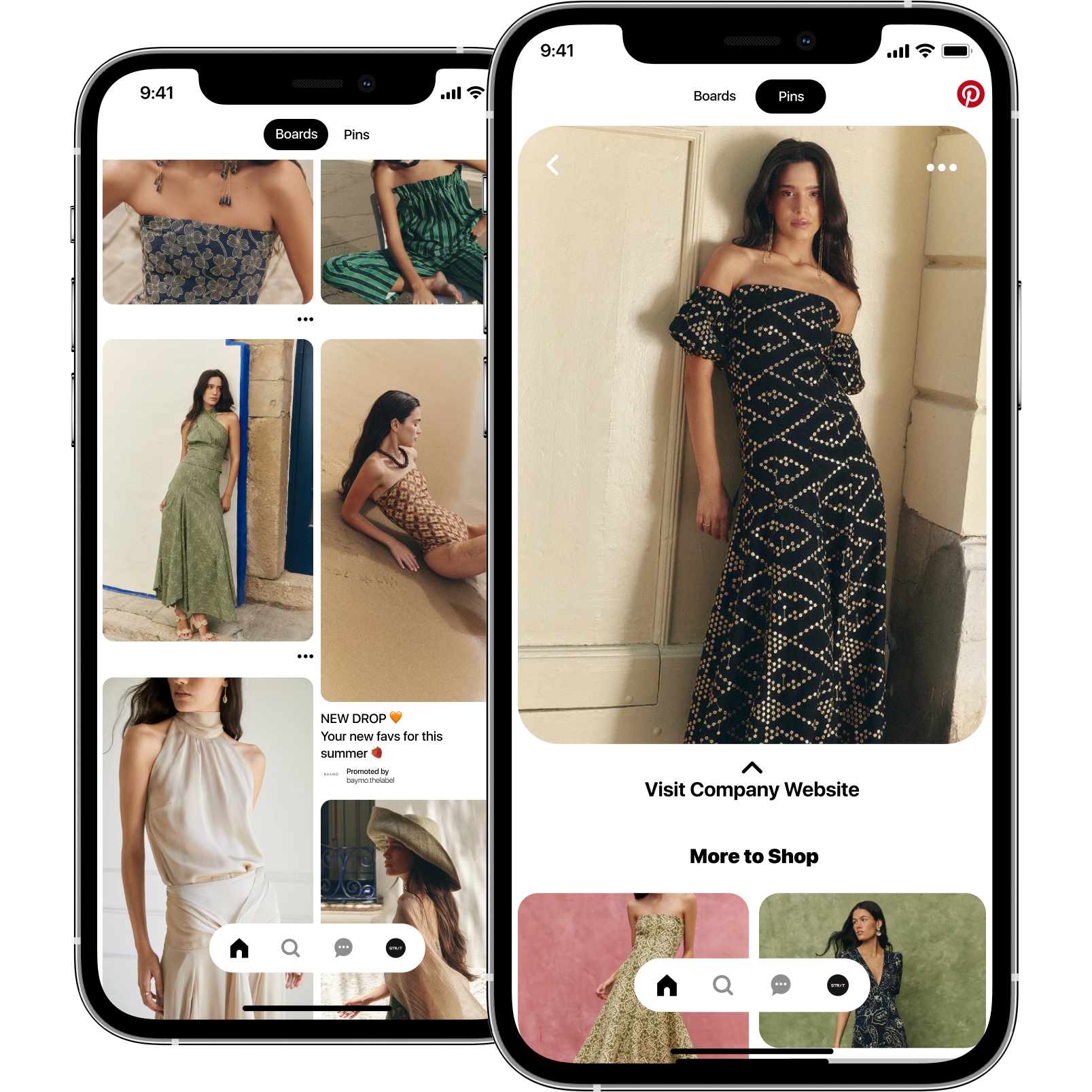
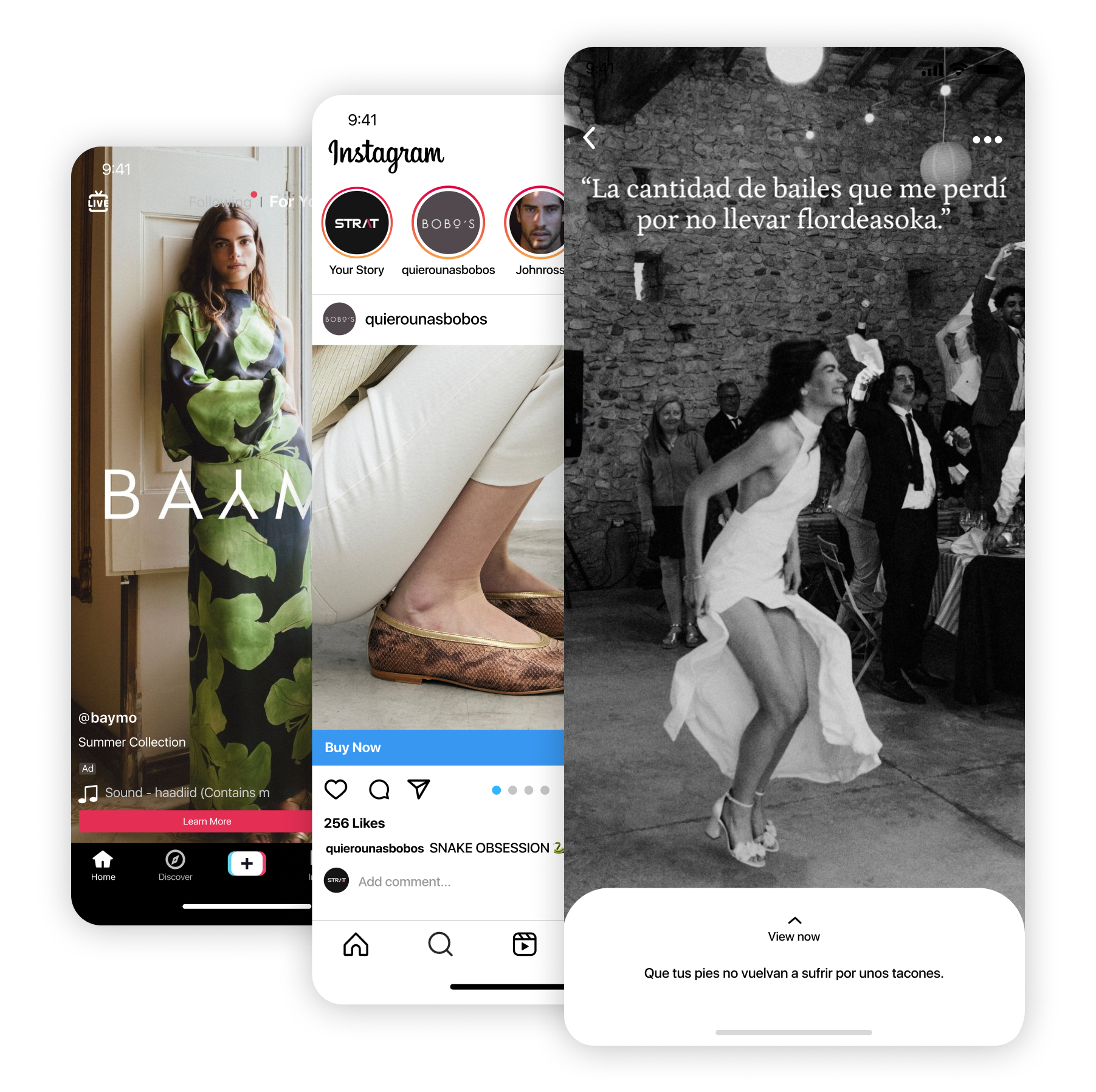
Pinterest is a purely visual channel where people are actively looking for inspiration to buy. Well-presented product doesn’t interrupt; it matches what the person was already looking for. That is why we build creative made for Pinterest (product shot in real context, vertical format, aspirational settings) rather than isolated packshots, and why we use the formats that match how the platform is browsed, including collection ads and video.

We iterate every concept against real performance data and scale what converts profitably. Unlike other platforms, creative on Pinterest has a longer shelf life: a good pin keeps generating reach and conversions for weeks or months, which means a strong creative keeps earning long after it goes live.

Real measurement, beyond ROAS

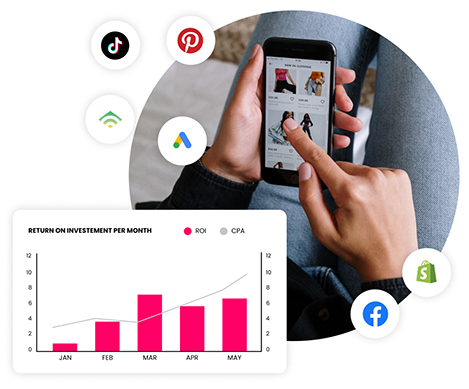
The ROAS Pinterest reports is misleading, but for the opposite reason to other platforms. With short attribution windows it systematically undervalues what the channel contributes, because the user plans ahead and the conversion lands weeks after the first impression. That is why we measure in POAS (Profit on Ad Spend), factoring in the margin on each sale, returns and true product cost, so you can separate the campaigns that generate profit from the ones that only generate revenue. Combined with the Pinterest API for Conversions and attribution windows matched to the channel’s real decision cycle, you get a reliable read on which spend is putting real money into your P&L.

Why STRAT?

We are not a generalist agency that also runs Pinterest Ads. We work exclusively with ecommerce, and we know a channel most agencies either ignore or run badly because they have never understood its purchase-planning logic. We know which verticals let Pinterest compete with Meta on efficiency, and how to configure attribution so its real contribution is not undervalued.

We apply that specialisation with a team that knows the channel in depth. Every decision on your account is made against tested business criteria and reported in POAS connected to your P&L, not in isolated platform metrics.

Considering Pinterest Ads for your ecommerce brand?

Frequently Asked Questions

Yes, and particularly well in specific verticals: home, interiors, occasion wear, bridal, beauty and crafts. The key difference with Pinterest is that people arrive in purchase-planning mode, looking for inspiration for future projects, which translates into high intent and frequently into a CAC below Meta’s in those sectors. It is one of the most underrated channels in paid media precisely because few agencies understand how it works.

Because people do not go to Pinterest to be entertained, they go to plan. They are looking for ideas to renovate a house, organise a wedding, refresh a wardrobe or decorate a room. That active search for inspiration for future purchases produces far higher purchase intent than entertainment platforms, because Pinterest users plan before they buy.

Pinterest works exceptionally well for brands with visual product in home, interiors, furniture, occasion wear, bridal, beauty, jewellery and crafts. In those verticals it can match Meta on acquisition efficiency and frequently at a lower CAC. In sectors with less visual product or very impulsive purchase cycles the fit is more limited, which is something we assess before recommending the channel.

Because the Pinterest user plans ahead and the conversion can land weeks after the first impression. Measuring Pinterest ROAS on short attribution windows systematically undervalues what it contributes. We configure attribution with wide windows in line with the channel’s decision cycle, which shows its real profitability instead of writing it off on short-term numbers.

It complements it. Pinterest is an additional acquisition channel, particularly efficient in the verticals it suits, that lets you diversify acquisition and reduce dependence on Meta. In a full-funnel strategy, Pinterest brings in new customers at a frequently lower CAC in specific sectors, measured across the whole of acquisition through POAS and blended MER.